How to Make Your Home Sell Faster in Orange County
Most homeowners think selling a home starts with putting a sign in the yard.
In reality, it starts weeks—or sometimes months—before the property ever hits the market.
One of the biggest mistakes sellers make is assuming buyers will see the home's potential the same way they do.
After living in a home for years, it's easy to overlook the little things: the crowded countertops, the overfilled closets, the family photos covering every wall, or the worn welcome mat by the front door.
Buyers see something completely different.
They're walking into the home for the first time, often after viewing dozens of other listings online. Within seconds, they're forming opinions about how well the property has been maintained, how spacious it feels, and whether they can picture themselves living there.
That's where home staging comes in.
The good news is that staging doesn't have to cost thousands of dollars.
In fact, many of the most effective staging techniques are inexpensive and can be completed in a weekend.
Whether you're selling a condo in Irvine, a townhome in Aliso Viejo, a family home in Rancho Santa Margarita, or a luxury property in Newport Beach, thoughtful staging can help your home stand out and make a stronger first impression on buyers.
What Is Home Staging?
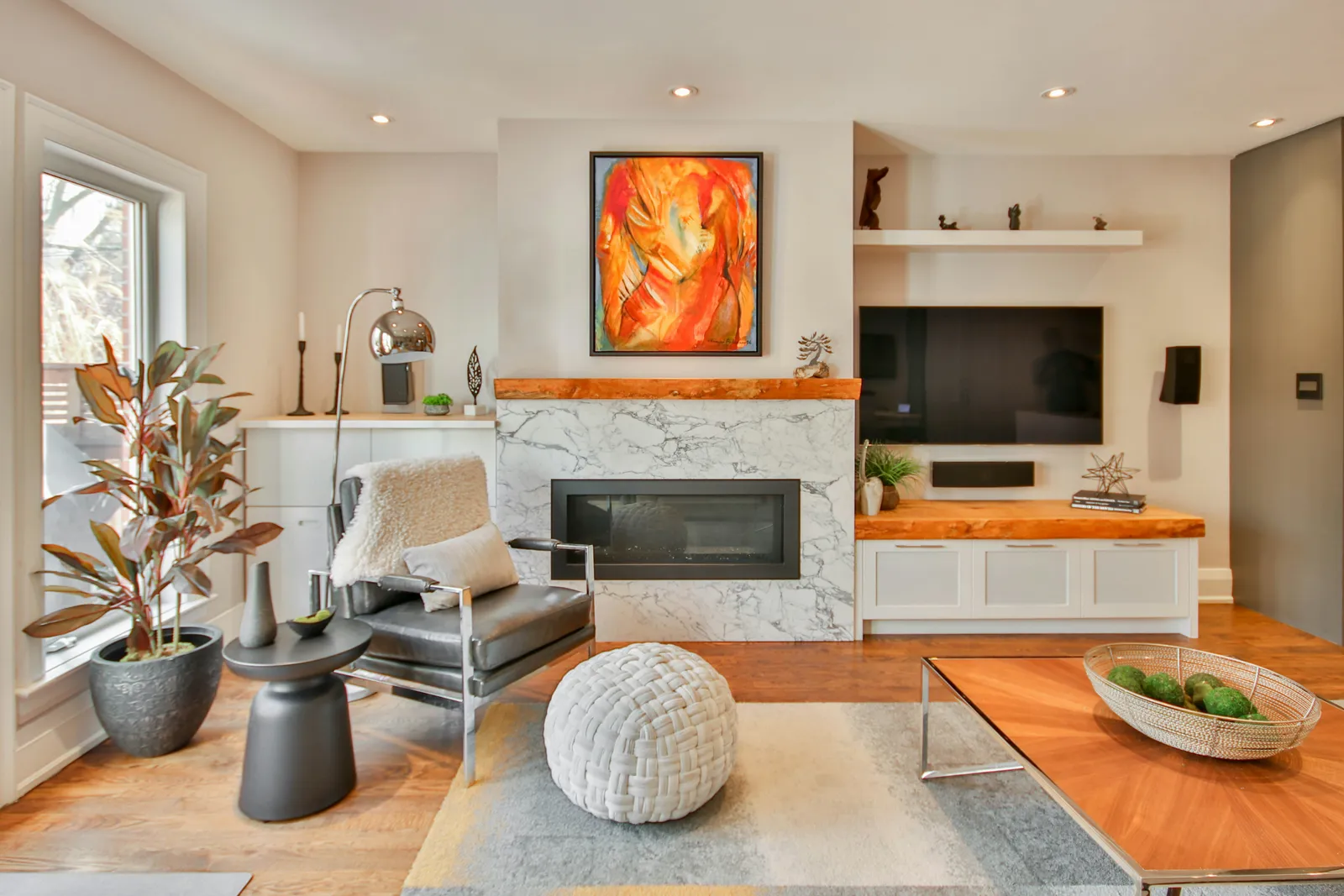
Home staging is the process of preparing a property for sale by presenting it in the most appealing way possible.
Contrary to popular belief, staging isn't about making a home look expensive.
It's about helping buyers focus on the home's strengths.
A well-staged home feels clean, bright, spacious, and move-in ready.
The goal is simple:
Help buyers imagine themselves living there.
When buyers emotionally connect with a property, they tend to spend more time looking at it, return for second showings, and often feel more confident making an offer.
Why Home Staging Matters More Than Ever
Twenty years ago, buyers often discovered homes by driving through neighborhoods or attending open houses.
Today, nearly every home search begins online.
Before buyers ever schedule a showing, they're scrolling through listing photos on their phones, tablets, and computers.
That means your home's first showing happens long before anyone steps through the front door.
A cluttered kitchen can make a beautiful home feel cramped.
Poor lighting can make a large room appear small.
Too much furniture can hide the true size and functionality of a space.
Even minor issues can influence how buyers perceive the property.
In a competitive market like Orange County, presentation matters.
Many buyers are comparing several homes within the same price range.
The home that feels cleaner, brighter, and more inviting often creates a stronger impression.
Does Home Staging Increase a Home's Value?
This is one of the most common questions sellers ask.
The answer is both yes and no.
Home staging doesn't physically change the property.
It doesn't add square footage.
It doesn't create a new bathroom.
It doesn't replace an outdated kitchen.
However, staging can increase perceived value.
And perception plays a major role in real estate.
Imagine two homes with similar floor plans, similar locations, and similar asking prices.
One home is cluttered, dark, and filled with personal items.
The other feels bright, organized, and move-in ready.
Most buyers will naturally gravitate toward the second home.
That increased buyer interest can lead to more showings, stronger offers, and potentially less time on the market.
Even when staging doesn't directly increase the final sale price, it often improves the overall selling experience.
Home Staging vs. Remodeling
Many homeowners immediately start thinking about expensive renovations when preparing to sell.
Should they remodel the kitchen?
Replace all the flooring?
Update every bathroom?
Sometimes major improvements make sense.
Often they don't.
There's an important difference between staging and remodeling.
Remodeling changes the property itself.
Staging changes how the property is presented.
A full kitchen renovation can easily cost $50,000 to $100,000 or more.
Meanwhile, decluttering countertops, painting cabinets, updating hardware, and improving lighting can dramatically improve the appearance of the kitchen for a fraction of the cost.
Before spending thousands of dollars on renovations, many sellers benefit from focusing on presentation first.
Why Buyers Respond to Staged Homes
Buying a home is both a financial decision and an emotional decision.
Most buyers begin by evaluating practical factors such as:
- Price
- Location
- Schools
- Commute times
- Property taxes
- Square footage
But once those boxes are checked, emotion often takes over.
Buyers start imagining birthday parties in the dining room.
Family dinners in the kitchen.
Summer evenings on the patio.
Holiday gatherings in the living room.
A staged home helps create that vision.
An unstaged home often forces buyers to work harder to see the potential.
Unfortunately, many buyers simply move on to the next property instead.
The Psychology Behind Home Staging
Professional stagers understand something important:
People don't buy houses.
They buy lifestyles.
This is especially true in Orange County.
Buyers moving to Irvine may be seeking excellent schools and career opportunities.
Families moving to Rancho Santa Margarita often prioritize parks, safety, and community amenities.
Buyers considering Laguna Beach may be attracted to the coastal lifestyle, ocean views, and artistic culture.
The home's presentation should support the lifestyle buyers hope to create.
That's why even simple staging decisions can have a significant impact.
A clean patio with outdoor seating doesn't just showcase a backyard.
It helps buyers imagine relaxing outdoors.
A neatly organized home office doesn't just display a room.
It helps buyers envision working from home.
The more easily buyers can picture themselves living in the property, the stronger their emotional connection becomes.
How Much Should You Spend on Home Staging?
One of the biggest misconceptions about staging is that it requires a large budget.
In reality, most occupied homes can be significantly improved through cleaning, decluttering, organization, and strategic updates.
Before spending money, focus on the improvements that buyers notice first:
- Cleanliness
- Lighting
- Organization
- Paint condition
- Landscaping
- Odors
- Furniture placement
These factors influence buyer perception far more than many homeowners realize.
The goal isn't to create a luxury showcase.
The goal is to make your home the best-presented property within its price range.
And fortunately, that often costs much less than sellers expect.
25 Budget-Friendly Home Staging Ideas That Can Make a Big Difference
The good news about home staging is that many of the most effective improvements cost very little.
You don't need designer furniture or a massive renovation budget to create a positive impression. In most cases, buyers are looking for signs that a home has been well maintained, cared for, and thoughtfully presented.
These affordable staging ideas can help make your home feel more spacious, brighter, and more inviting.
1. Declutter Every Room
If there is one staging tip that consistently delivers results, it's decluttering.
Too much furniture, too many decorations, and overcrowded surfaces make rooms feel smaller than they actually are.
Walk through your home and remove anything that isn't necessary. Think of it as pre-packing for your move.
2. Remove Personal Photos
Buyers need to picture their own lives in the home.
Family photos, diplomas, awards, collections, and personalized decor can make that more difficult.
Creating a neutral environment helps buyers focus on the property rather than the current owners.
3. Deep Clean the Entire House
Nothing improves buyer perception faster than cleanliness.
Pay special attention to:
- Kitchens
- Bathrooms
- Baseboards
- Ceiling fans
- Light fixtures
- Doors
- Windows
- Flooring
A spotless home feels newer and better maintained.
4. Clean Windows Inside and Out
Orange County buyers love natural light.
Dirty windows block sunlight and make rooms feel darker.
Clean windows instantly improve both the interior and exterior appearance of a home.
5. Open All Curtains and Blinds
Natural light is one of the easiest ways to make a home feel more welcoming.
Before every showing, open curtains and blinds to maximize brightness.
6. Replace Burned-Out Light Bulbs
This sounds simple, but many sellers overlook it.
Every light should function properly.
A single dark fixture can create a negative impression.
7. Use Consistent Lighting
Mixing warm yellow bulbs with cool white bulbs can make a home feel visually disjointed.
Choose a consistent light temperature throughout the property.
8. Touch Up Paint
Scuffed walls, chipped trim, nail holes, and scratched doors can make a home appear neglected.
Small paint touch-ups often provide one of the highest returns on investment before listing.
9. Consider Repainting Bold Rooms
Bright red dining rooms and dark purple bedrooms may reflect personal taste, but they don't appeal to everyone.
Neutral paint colors generally attract the broadest audience.
10. Rearrange Furniture
Sometimes a room feels small simply because furniture placement isn't working.
Create clear pathways and emphasize openness.
Buyers should be able to move comfortably throughout the space.
11. Remove Excess Furniture
Many homeowners accumulate furniture over time.
Removing even one or two pieces can make a room feel significantly larger.
12. Define Every Room's Purpose
If a spare bedroom currently serves as a storage room, buyers may struggle to understand its potential.
Every room should have a clearly defined purpose.
Bedrooms should look like bedrooms.
Offices should look like offices.
Gyms should look like gyms.
13. Organize Closets
Buyers almost always open closet doors.
Overstuffed closets suggest a lack of storage.
Organized closets appear larger and more functional.
14. Clear Kitchen Countertops
The kitchen is one of the most important rooms in the home.
Keep countertops mostly clear.
A bowl of fruit, a coffee station, or a simple plant is usually enough.
15. Organize the Pantry
Storage matters.
A neat pantry creates the impression that the home has ample space for everyday living.
16. Update Cabinet Hardware
Replacing outdated knobs and handles is inexpensive and can modernize kitchens and bathrooms instantly.
17. Refresh Bathrooms
Bathrooms don't always need renovations.
Fresh towels, updated accessories, clean grout, and a new shower curtain can dramatically improve the overall appearance.
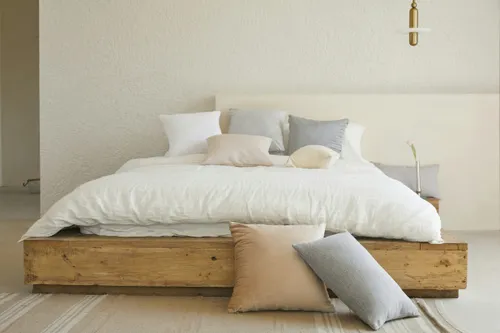
18. Upgrade Bedding
Bedrooms should feel comfortable and inviting.
Fresh, neutral bedding helps create a clean, hotel-like appearance.
19. Remove Pet Items
Not everyone is a pet owner.
Food bowls, litter boxes, pet beds, and excess toys can distract buyers and sometimes create odor concerns.
20. Eliminate Odors
One of the fastest ways to lose a buyer is through unpleasant odors.
Pet odors, cigarette smoke, mildew, and strong cooking smells should be addressed at the source.
Avoid heavy air fresheners, which often raise suspicion.
21. Add Simple Greenery
Plants bring life into a space.
You don't need elaborate floral arrangements.
A few healthy plants can make rooms feel fresher and more inviting.
22. Improve Your Front Entry
The front door creates the first impression.
Clean the entryway.
Touch up paint if needed.
Replace worn welcome mats.
Add a potted plant for a welcoming appearance.
23. Refresh Landscaping
You don't need a complete landscape redesign.
Simple improvements often make the biggest difference:
- Trim bushes
- Remove weeds
- Edge lawns
- Add fresh mulch
- Plant seasonal flowers
24. Stage Outdoor Living Areas
Outdoor living is a major selling point throughout Orange County.
Whether you have a small balcony or a large backyard, help buyers visualize how they can use the space.
Simple seating arrangements can make patios feel like an extension of the home.
25. Invest in Professional Photography
This may be the most important item on the list.
Most buyers will see your home online before they ever visit in person.
Professional photography helps showcase the results of all your staging efforts and often determines whether buyers decide to schedule a showing.
Which Staging Improvements Usually Produce the Biggest Return?
If you're working with a limited budget, prioritize the changes buyers notice immediately.
In my experience, the biggest returns typically come from:
- Decluttering
- Deep cleaning
- Fresh paint
- Improved lighting
- Landscaping
- Furniture arrangement
- Professional photography
These improvements are affordable, relatively easy to complete, and can dramatically improve the way buyers perceive a property.
The goal isn't to make your home look expensive.
The goal is to make it feel cared for, spacious, and move-in ready.
10 Home Improvements That Usually Don't Pay for Themselves Before Selling
One of the biggest mistakes sellers make is spending too much money preparing a home for sale.
Many homeowners assume that every dollar spent on upgrades will automatically increase the value of their property. Unfortunately, that's rarely how real estate works.
Buyers may appreciate upgrades, but they typically won't reimburse sellers dollar-for-dollar for expensive renovations completed right before listing.
Before starting a major project, consider whether the improvement will genuinely increase buyer demand or simply reflect personal preferences.
1. A Full Kitchen Remodel
Kitchens are important, but a complete renovation is often one of the most expensive projects a homeowner can undertake.
Spending $50,000 to $100,000 on a new kitchen shortly before selling rarely produces an equivalent increase in sale price.
In many cases, cleaning, painting, updating hardware, replacing light fixtures, and staging the space properly can achieve much of the same visual impact for a fraction of the cost.
2. Luxury Bathroom Renovations
Buyers appreciate updated bathrooms, but high-end tile, custom vanities, and luxury fixtures often cost more than the value they add.
Unless the bathroom has significant functional problems, cosmetic improvements usually provide a better return on investment.
3. Installing a New Swimming Pool
Many homeowners are surprised to learn that swimming pools do not automatically increase a home's value by the amount they cost to install.
In some neighborhoods, buyers see pools as a benefit. In others, they see additional maintenance, insurance costs, and safety concerns.
4. Custom Landscaping Projects
Beautiful landscaping improves curb appeal, but elaborate outdoor renovations often don't produce a proportional return.
Simple improvements such as trimming trees, refreshing mulch, planting seasonal flowers, and maintaining the lawn are usually enough.
5. Replacing Perfectly Functional Windows
If your windows are damaged, fogged, or no longer operate correctly, replacement may make sense.
However, replacing every window in the home solely to prepare for sale is often difficult to justify financially.
6. Installing High-End Smart Home Technology
While buyers appreciate modern features, expensive smart home systems rarely influence purchase decisions enough to recover their full cost.
Most buyers care more about the home's location, condition, layout, and price.
7. Converting Bedrooms Into Specialty Spaces
Turning a bedroom into a home theater, gym, wine room, or custom office may appeal to a small group of buyers.
The problem is that it often reduces the property's appeal to everyone else.
Maintaining functional bedroom count is usually the safer choice.
8. Extensive Garage Upgrades
Epoxy floors, custom cabinets, and workshop improvements can look impressive, but they typically don't have a major impact on value.
A clean, organized garage usually accomplishes the same goal.
9. Premium Flooring Throughout the Entire Home
Replacing severely worn flooring may be worthwhile.
However, installing luxury flooring throughout an entire property immediately before selling often produces diminishing returns.
Buyers may like the upgrade, but they rarely pay significantly more because of it.
10. Major Backyard Entertainment Projects
Outdoor kitchens, elaborate fire features, custom pergolas, and luxury entertainment areas can cost tens of thousands of dollars.
While they may improve enjoyment for current owners, they often don't generate an equivalent increase in resale value.
Where Sellers Should Spend Money Instead
If you're working with a limited budget, prioritize improvements that directly affect first impressions.
These often include:
- Professional cleaning
- Decluttering
- Interior paint touch-ups
- Landscaping maintenance
- Light fixture updates
- Professional photography
- Minor repairs
- Home staging
These projects are relatively inexpensive and frequently provide a stronger return than large-scale renovations.
The goal isn't to create the most expensive home in the neighborhood.
The goal is to create the best-presented home in your price range.
Thinking about selling your home? I'd be happy to help you identify which improvements are worth making before you list—and which ones you can skip. Contact me for a personalized home selling consultation.